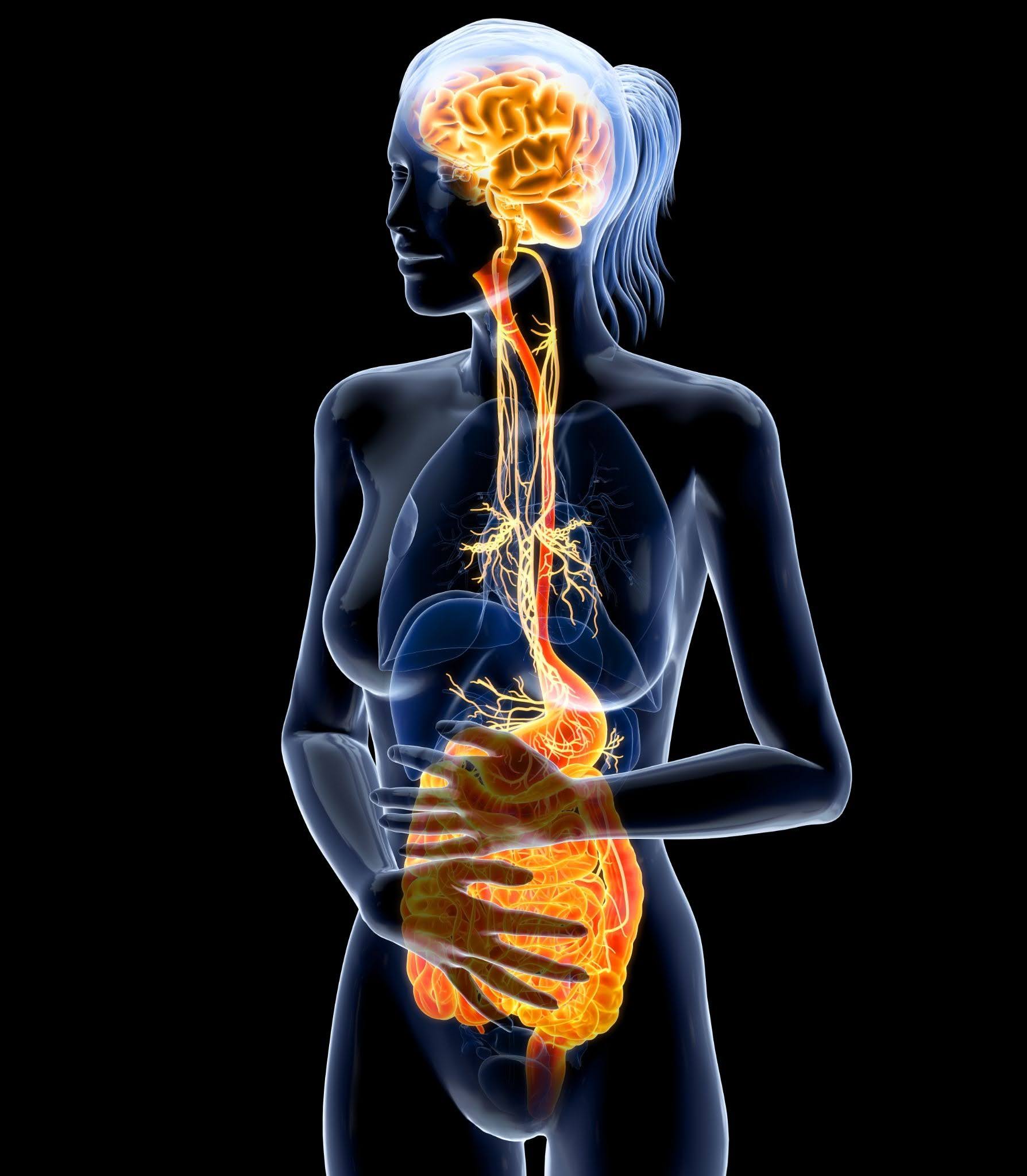
You know the drill. Meal ends, burning starts. You sleep on an incline, keep antacids on the nightstand, and quietly edit your diet every few months trying to figure out which food is doing it. If you've been managing GERD this way for a while, you already know the antacids are treating the symptom, not the source. GERD, or Gastroesophageal Reflux Disease, is a chronic condition with real, findable root causes — and most of them have nothing to do with eating too much spicy food.
There's a better answer than a pill you take forever.
The acid story is more complicated than you've been told
Most people assume GERD means too much stomach acid. That's sometimes true. But a meaningful number of GERD cases involve low stomach acid, delayed gastric emptying, or a weakened lower esophageal sphincter, the valve between your stomach and esophagus that's supposed to stay closed between meals.
A common scenario is high levels of fermentation in the gut cause increased gas production, which creates upward pressure, weakening the Lower esophageal sphincter. Ironically, this is more commonly seen in patients with LOW stomach acid.
When that valve loses tone, or when food sits in the stomach too long because motility is sluggish, acid travels where it shouldn't. The result is the same burning sensation regardless of which direction the problem is coming from, which is why acid-suppressing medications help some people and leave others feeling worse over time.
Suppressing acid without knowing whether you have too much or too little is a meaningful clinical gamble.
What's actually driving it
GERD develops when the digestive system's coordination breaks down. The root causes vary significantly from person to person, but the most common ones include:
- H. Pylori. A common bacteria found in the gut, can lead to underproduction or over production of stomach acid
- Microbial imbalance or SIBO. Bacterial overgrowth in the small intestine creates pressure and gas that pushes stomach contents upward.
- Chronic stress and nervous system dysregulation. The vagus nerve controls both esophageal sphincter tone and gastric motility. Under sustained stress, both suffer.
- Food sensitivities. Gluten, dairy, caffeine, alcohol, and processed fats are frequent contributors, though the specific triggers are individual.
- Long-term acid blocker use. Extended use reduces digestive enzyme activity and alters microbiome composition, which can make the underlying dysfunction worse.
- Eating patterns. Large meals and eating close to bedtime create mechanical pressure that compounds whatever else is going on.
The reason GERD tends to be chronic is that the standard treatment (acid suppression) doesn't touch any of these drivers.
What finding the root cause actually looks like
At Clarity, we run comprehensive stool tests that look at microbiome composition, gut inflammation, and function. When needed, we can also run additional biomarkers through blood, breath, and urine testing to fill in the full picture.
Every member works with a licensed clinician, so the data gets read by someone who understands how all the pieces connect. Your stool results, along with your symptoms and medical history, are synthesized by both an experienced functional medicine provider and Clarity's proprietary AI model, together, they produce what we call a "gut hypothesis." This is our explanation of what we believe is driving your symptoms, and the foundation your personalized protocol is built on.
Relief in weeks. Resolution over months.
Most of our members notice real changes in the first 30 to 60 days. But relief is just the beginning. Building a resilient gut, the kind where you stop tracking every meal and every bathroom visit, takes longer. Gut healing at this level is a 6 to 12 month process, and we're honest about that upfront.
Anyone promising a faster fix is selling symptom management, not resolution. That's worth knowing before you decide whether we're a fit.
If this sounds like your gut...
Take our free Gut Check Quiz. It takes a few minutes and gives you a clearer read on whether what you're experiencing matches what we treat and how. If it does, we'll walk you through what comes next.
Citation:
- San Jose Functional Medicine. "Gastroesophageal Reflux Disease (GERD)." Citing Robillard N. Heartburn Cured. 2005.