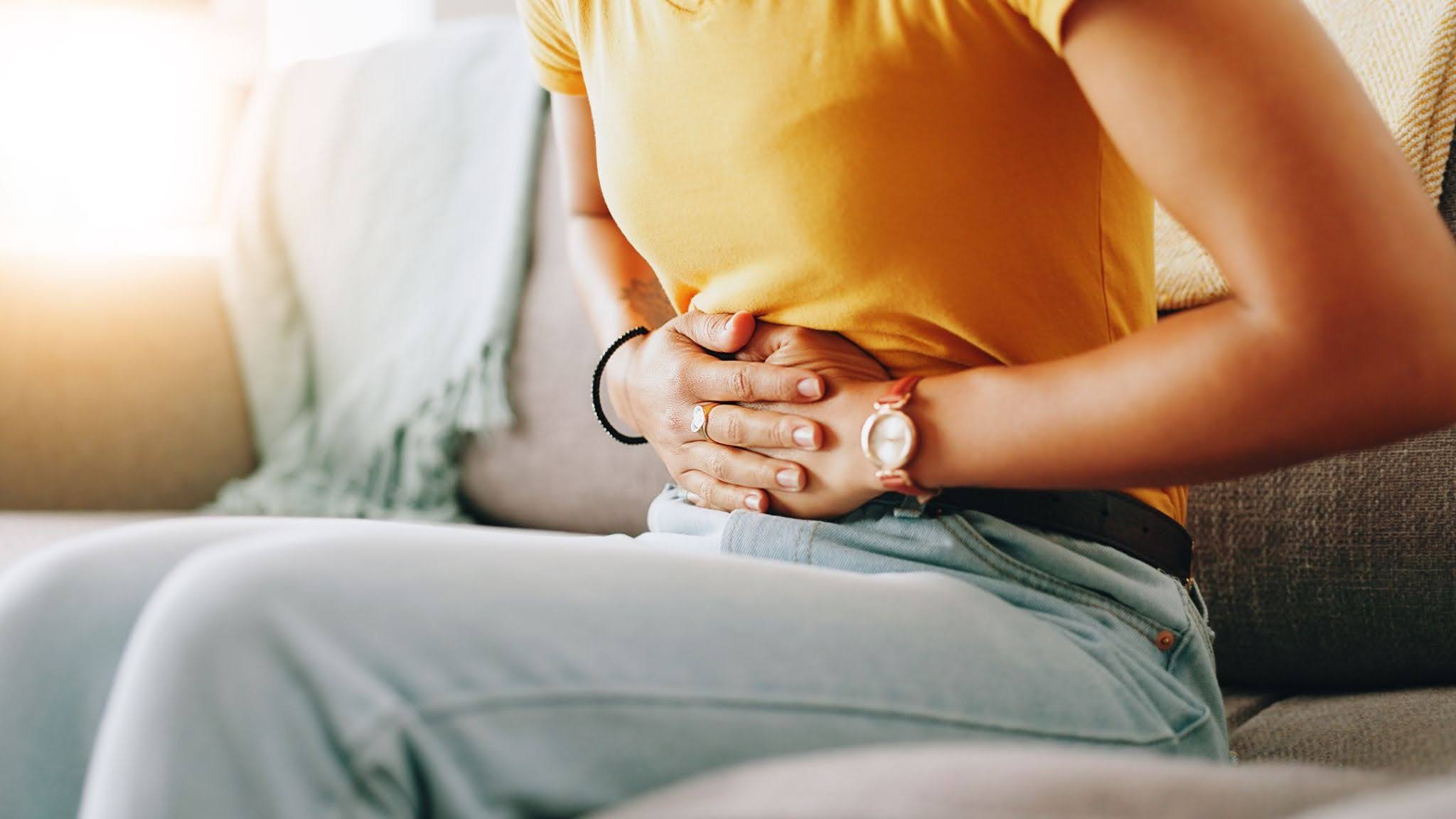
TLDR: 74% of Americans have a gut symptom right now. We've hit the cultural tipping point, and the path forward looks a lot like what happened with mental health.
Building in mental health from 2020 to 2025 at Modern Health, I watched a cultural shift happen in real time. Friends, colleagues, and family members who had brushed off therapy or mental health care for years were suddenly opening up, being vulnerable, and actively seeking help for things they had ignored for a long time. The stigma didn't dissolve overnight, but the culture moved fast and it moved for good.
Building in gut health now, I keep having the same conversations. The same openness. The same "I've been dealing with this forever and I'm finally ready to do something about it." Gut health is following the same arc, and having lived through the mental health version, I have a pretty clear view of where this goes.
I think about it in three stages.
Stage 1: Awareness. 74% of Americans report a gut or GI-related symptom in the past month. 30% of working professionals have a formal GI diagnosis. Google searches for gut health have doubled in the last three years. Hashtags like #hotgirlswithIBS, #IBStok, and #guttok have pulled in billions of views across TikTok, Instagram, and Facebook. In the last year, I genuinely cannot remember attending a dinner or social event where someone in the group didn't bring up their own gut condition or mention a family member's. (To be fair, as a founder in this space, I tend to attract those conversations. But still.) My read is that the mainstream is moving out of stage 1 and into stage 2.
Stage 2: Exploration. As people get more comfortable naming the problem, they reach for solutions. We all know someone who has spent the last few years macrodosing kombucha, Poppi soda, and probiotics hoping to fix their gut. Americans spend $15 billion per year on digestive health products. That's a lot of prebiotic soda. What's interesting is that we're now seeing a second wave within this stage: the shift from DIY wellness to DIY healthcare. At-home gut microbiome testing is a $500 million per year industry, and companies like Function, Superpower, and Tiny Health are growing fast. People want better answers, and they're willing to invest in finding them. My read is that most of the mainstream is still here.
Stage 3: Results. This is where mental health is right now, and where gut health is heading. After the awareness surge and the meditation-app boom, the focus in mental health shifted to high-quality clinical care: personalized, provider-led, outcomes-focused. The same shift is coming for gut health. There's real value at every stage of this arc, and I mean that genuinely (our house is regularly stocked with kombucha). But the people who've been through stage 1 and stage 2 and still don't feel better are going to need something more. They need clinical care that goes beyond broad-based access. Personalized protocols, expert clinicians, precision testing, and a treatment plan built around what's actually driving their symptoms. That's what we're building at Clarity.
Gut health is an extremely interesting space over the next few years, and we see a real opportunity for AI-driven care models to change what outcomes look like. We'll be going deeper on a lot of these topics in the weeks ahead.
If you've been in exploration mode and haven't found the relief you were looking for, take the Gut Check Quiz. It's a good first step toward understanding what's actually going on.